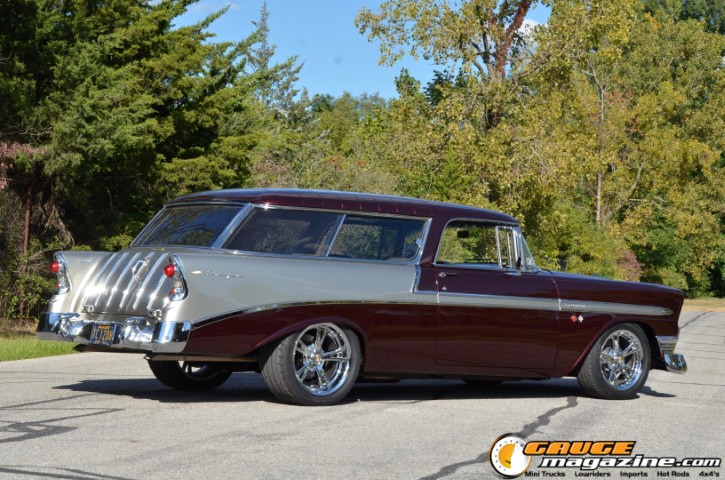
Classic cars, exotic vehicles, and automotive collections represent more than just hobbies. They are investments that carry both financial and sentimental value. Preserving their condition, tracking their documentation, and ensuring proper maintenance are essential for protecting their worth over time. Vehicles left neglected or without clear ownership plans risk depreciation, legal disputes, or even loss.
Owners who actively manage their collections can protect the value of their investments and ensure their legacy is maintained. Regular inspections, climate-controlled storage, and professional servicing help vehicles retain condition and desirability. This attention to detail supports long-term stability for owners and ensures that collections remain a source of pride and financial security for future generations.
Beyond daily maintenance, documenting every aspect of a vehicle’s history and upgrades adds another layer of security. Detailed records of service, modifications, and provenance not only increase the value of the collection but also provide clarity for future owners or heirs. These records become essential in transferring ownership smoothly and preserving both the tangible and intangible worth of automotive investments.
Integrating Probate Planning Into Automotive Collections
Probate planning plays a critical role in transferring vehicles and collections to heirs without complications. According to one legal team, without proper planning, even the most meticulously maintained cars can become entangled in legal disputes or unclear ownership claims. Including automotive assets in estate strategies ensures that classic and exotic cars are passed on according to the owner’s intentions.
Incorporating vehicles into probate planning requires thorough documentation, appraisals, and clear beneficiary designations. Owners should keep detailed records of ownership, maintenance, and valuations. This process minimizes potential conflicts and guarantees that heirs can enjoy the collection as intended. Proper planning safeguards both the financial and emotional value embedded in automotive assets.
Additionally, including automobiles in broader estate planning considerations allows for smoother handling of taxes, insurance, and shared ownership scenarios. Coordinating with legal and financial professionals ensures that these assets are appropriately valued, assigned, and protected from disputes or mismanagement, making certain that the vehicles continue to be a source of pride and investment for generations to come.
Maintaining Classic Cars and Exotic Vehicles
Routine maintenance is vital for preserving the longevity of valuable cars. Classic and exotic vehicles require specific care, including regular servicing, proper storage, and careful handling. Ignoring these needs can lead to significant deterioration, which reduces both performance and value over time.
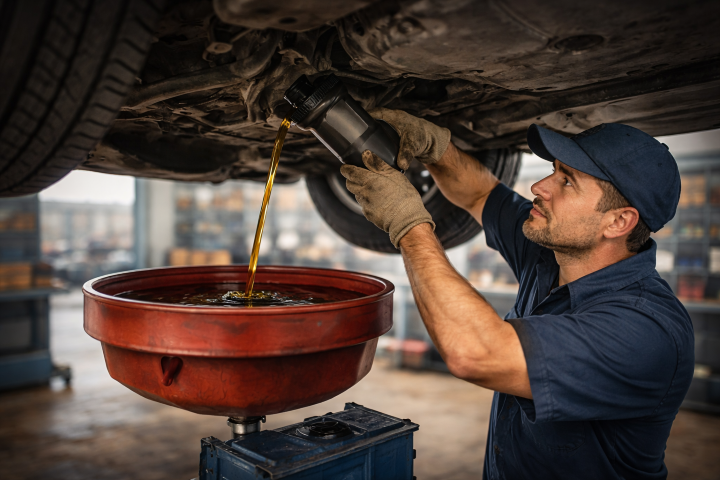
Owners who maintain a structured schedule for oil changes, engine checks, and interior preservation can avoid costly repairs and preserve the uniqueness of their collection. Maintenance also protects against environmental damage, such as rust, sun fading, and mechanical wear. Consistent care ensures that vehicles remain both functional and desirable for future owners.
A proactive maintenance approach also includes planning for spare parts, securing qualified mechanics, and tracking usage. For rare or vintage cars, sourcing authentic components can be difficult, so preemptive preparation ensures repairs and restorations are carried out without compromising the vehicle’s originality. This foresight protects the investment and enhances the enjoyment for current and future owners.
Protecting Investments Through Legal Awareness
Legal clarity regarding ownership and transfer of vehicles is crucial. Consulting professionals ensures that documentation is up to date and that ownership transfers follow the appropriate legal framework. This is particularly important for high-value or collectible vehicles, which can attract disputes if records are incomplete.
Owners should establish agreements that clearly state who will inherit or manage vehicles, especially when dealing with multiple heirs. Legal oversight prevents misunderstandings and maintains harmony among family members or beneficiaries. Well-documented arrangements support the integrity of automotive investments and protect them from unintentional loss or conflict.
Including vehicles in broader legal strategies also helps owners navigate complex scenarios, such as co-owned vehicles, international transfers, or contested claims. By formalizing agreements and maintaining proper documentation, families can avoid conflicts and ensure that automotive collections remain secure, legally protected, and seamlessly transferred according to the owner’s intentions.
Planning for Unexpected Circumstances
Even the most organized owners may face unexpected events, such as sudden illness, accidents, or financial emergencies. These situations can disrupt plans for maintaining and transferring automotive assets. Being prepared with contingency arrangements, accessible records, and professional contacts ensures that vehicles are protected during unforeseen events.
Documenting storage conditions, appraisals, and maintenance history allows for swift resolution if issues arise. Families or beneficiaries can continue upkeep without disruption, ensuring the collection’s value is preserved. Proper planning also ensures that vehicles are not sold, damaged, or lost due to administrative confusion during critical moments.
Planning for unexpected circumstances also includes establishing emergency contacts for vehicle care, updating insurance coverage, and maintaining accessible legal documentation. By preparing for contingencies, owners create a buffer against uncertainty, allowing their collections to be protected and maintained even in situations where immediate family members are unavailable or inexperienced in automotive care.
Securing the Legacy of Automotive Collections
The combination of maintenance, legal preparation, and strategic planning ensures that classic cars, exotic vehicles, and automotive collections remain intact for future generations. By integrating these practices, owners protect their investments while preserving their personal legacy. Collections continue to provide enjoyment, status, and financial security long after the original owner is gone.
Regularly reviewing plans, communicating with family members, and consulting with professionals strengthens the security of automotive assets. By sustaining these practices, owners ensure that their cars remain protected, their collections intact, and their legacy preserved. Thoughtful preparation allows both the vehicles and the stories behind them to endure, keeping generations connected to a shared passion for automotive excellence.
Finally, securing a legacy also means educating heirs about the value, history, and proper care of the collection. Providing guidance on maintenance schedules, storage requirements, and legal responsibilities ensures that the collection continues to thrive. This hands-on approach preserves both the financial and emotional significance of the vehicles while cementing the family’s connection to their automotive heritage.